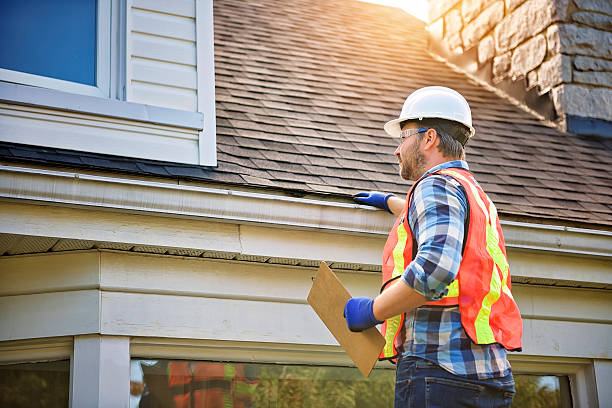
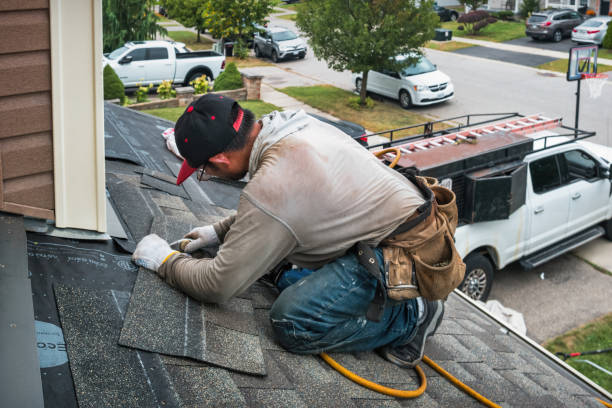
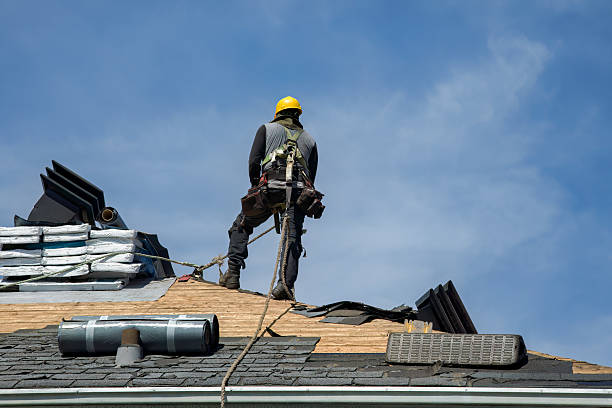
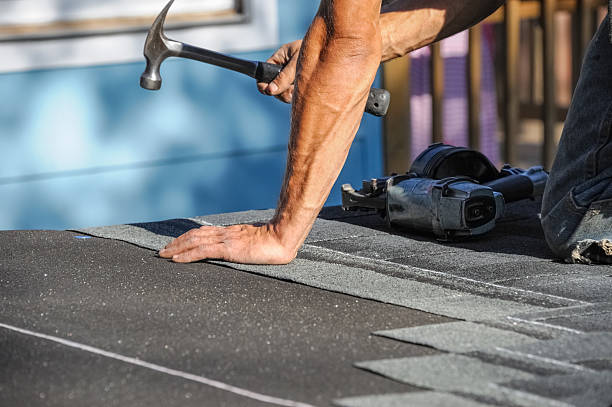
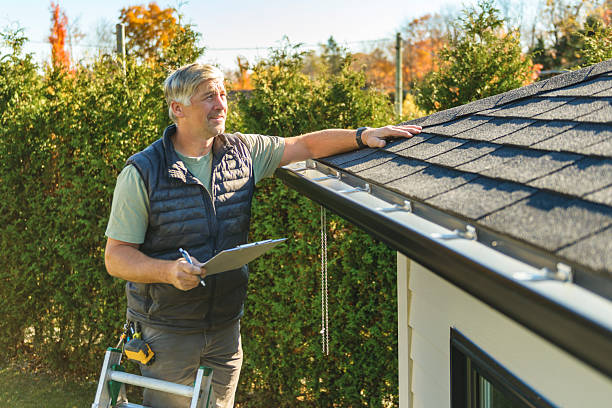
A torn-up roofline after a storm isn't a "get to it next week" problem, and we don't treat it like one — Roof Repair Smedway answers, scopes the damage, and dispatches a crew across Dewar fast.

Before Roof Repair Smedway was a name on a truck, our foremen were already up on ladders across Dewar, IA, figuring out which shingle brands actually hold their seal through a rough season and which ones just look good in a showroom.
We don't treat licensing as a formality — it's proof that the person on your roof knows what they're doing and that you're covered if anything goes sideways.
Every Commercial Roofing job, from a single flashing repair to a full Dewar tear-off, gets built to the same standard: the one that holds up, not the one that's fastest to invoice.

Proof of licensing before the first ladder goes up.
A midnight call gets the same urgency as a noon call.
No invoice surprises once work is underway.
Crews dispatched from within Dewar, IA, not another region entirely.
Most emergency calls we get trace back to a smaller sign that went unnoticed for weeks or months.
None of the six signs below require an emergency call on their own, but each one is worth a scheduled inspection before it turns into something bigger.
If the water coming off your downspouts looks gritty, the shingle surface is thinner than it should be.
Once a shingle starts warping, its seal against wind-driven rain is already compromised.
Daylight visible through the attic roof boards means water has the same path in.
Sagging or soft drywall usually points to sustained moisture, not a single isolated drip.
Rooms that run noticeably hotter than the rest of the house often trace back to roof or attic issues.
A bare patch after high wind is a direct gap in your roof's weather barrier that needs covering right away.
Not every call needs the same fix, so we scope each Dewar job individually instead of running everything through one generic quote.
Read through the categories and you'll usually recognize your own roof problem in one of them — that's intentional, since we scope calls the same way we've organized this list.
Active leaks get priority dispatch — a temporary cover first, a proper repair as soon as the crew can get materials on-site.
From a few cracked shingles to a complete tear-off, residential jobs get scoped against manufacturer spec, not a rough guess.
We schedule commercial jobs to minimize disruption to tenants and foot traffic wherever possible.
Material selection is part of the replacement conversation, matched to your climate exposure and budget.
Post-storm inspections give homeowners documented evidence, useful whether or not a claim gets filed.
If your roof has an architectural quirk, we scope it personally rather than forcing a standard fix.

We keep this process the same whether it's a single shingle repair or a full Dewar tear-off, because a predictable process is part of what makes a stressful roof problem manageable.
A dispatcher logs your address, roof type, and the problem, then schedules based on urgency.
The inspection covers decking, flashing, and ventilation, not just the obvious visible damage.
Financing and insurance-claim questions are addressed at this stage.
A final walkthrough confirms everything matches the agreed scope.
If you've been burned by a roofing company before, these are the specific things we do differently, not just a promise that we're "better."
Being local means we're rarely the crew still driving in from somewhere else.
Every estimate is itemized so you know exactly what you're paying for.
Our installers follow manufacturer spec on every underlayment overlap and fastener pattern, not general guesswork.
We'd rather send a crew back for a small fix than leave a homeowner unsure.
We're not your insurance company, but we make that part of the process easier.
If a repair solves the problem, that's what we recommend — we don't push a replacement to inflate the invoice.

Every job closes with a written workmanship guarantee, separate from whatever the material manufacturer already covers — if something's wrong, we come back and fix it.
If something unexpected turns up mid-job, like hidden decking damage, we flag it and get your approval before it changes your bill.
None of this is a marketing line — it's how every Dewar job actually gets closed out, warranty paperwork included.
If your address sits just past our standard Dewar radius, dispatch can usually still work something out.
When a storm moves through Dewar, IA and call volume spikes, active leaks get prioritized first while we communicate realistic wait times for everything else.
Coverage decisions are based on actual drive time from the nearest staged crew, not a fixed distance line on a map.

"Wind tore off a section of our roof during a night storm. They had it tarped before we even finished the phone call and fixed properly two days later."
— Dewar Homeowner
"Our adjuster actually commented on how thorough the documentation was. Made the claim process a lot smoother."
— Dewar Homeowner
"Called at 6am after a bad hailstorm and someone actually picked up the phone."
— Dewar Homeowner
"New ridge vent noticeably dropped our attic temperature. Wasn't expecting that big a difference."
— Dewar Homeowner
"Warranty paperwork was in hand the same day the job finished."
— Dewar Homeowner
"Commercial building had a slow roof leak affecting a whole storage room. Their team traced it to a single failed pitch pan and fixed it in one visit."
— Dewar Homeowner
Licensed, insured, and dispatched locally across Dewar, IA — call for a written estimate.
Get Your Free Estimate